
Dog grooming classes teach beginners essential skills such as bathing, brushing, trimming, and breed-specific coat care. Students gain hands-on experience with real dogs, guided by instructors to build confidence and technique. Classes cover the effective use of grooming tools, from brushes to clippers, while emphasizing patience and recognizing animal stress dog grooming school near me. Beginners also learn how to practice safely at home and assess their readiness for professional grooming. Further details outline what to expect throughout the learning process.

What Will You Learn in Dog Grooming Classes?
Dog grooming classes teach essential skills such as bathing, brushing, trimming, and styling various breeds. These courses cover breed-specific coat care, recognizing skin conditions, and using grooming tools effectively.
Participants learn to handle dogs calmly and safely https://cosmos.petuniverse.com/dog-grooming-course/, ensuring comfort and minimizing stress during grooming sessions. Instruction often includes nail clipping, ear cleaning, and teeth brushing, essential for overall pet health.
Understanding the anatomy of different dog breeds helps tailor grooming techniques for peak results. Additionally, courses may introduce basic knowledge of pet hygiene and first aid relevant to grooming.
This knowledge equips individuals with the ability to maintain a dog’s appearance and well-being independently, fostering a sense of autonomy and confidence in caring for pets without relying heavily on professional services.
How Hands-On Are the Grooming Lessons?
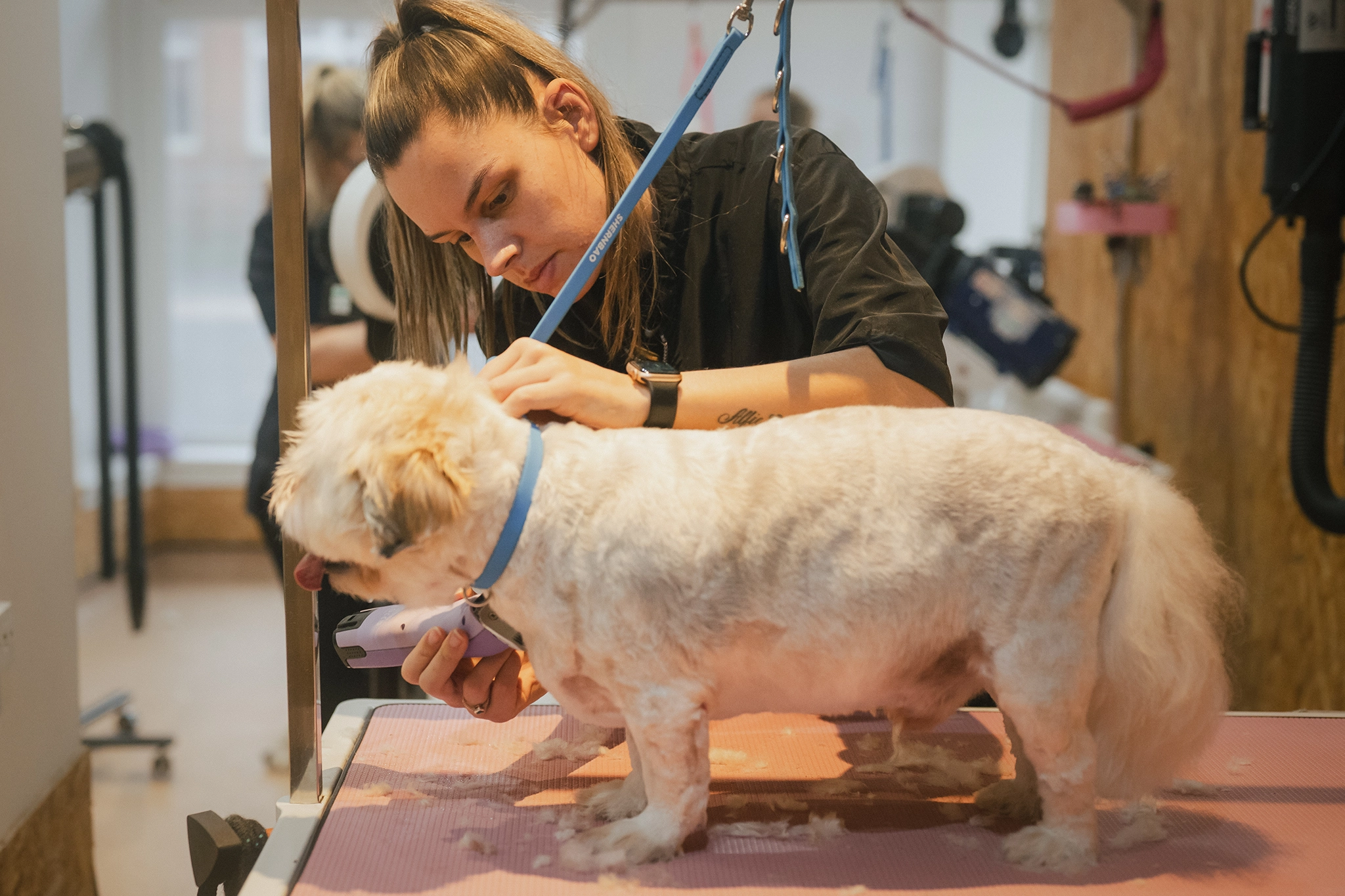
Grooming classes prioritize practical experience to reinforce theoretical knowledge. Students actively engage with dogs under instructor supervision, applying techniques such as brushing, bathing, and trimming. This hands-on approach cultivates confidence and skill, allowing learners to adapt to different breeds and temperaments.
The lessons are structured to balance guidance with autonomy, encouraging students to experiment and develop their own style within safe boundaries. Opportunities to practice on real dogs provide immediate feedback, fostering growth through trial and error.
While foundational skills are emphasized, the format respects individual pace, offering freedom to explore various grooming methods. Fundamentally, these classes are designed to be immersive, blending instruction with active participation to prepare beginners for real-world grooming scenarios effectively.
The Grooming Tools You’ll Actually Need
Selecting the right tools is essential for effective pet care and professional grooming. Beginners in dog grooming classes learn to use a few key items that balance efficiency with ease.
A quality brush suited to the dog’s coat type guarantees smooth detangling and reduces discomfort. Clippers with adjustable blades provide control for trimming various fur lengths. Scissors designed for pet grooming offer precision around sensitive areas.
Nail clippers or grinders maintain paw health without stress. Additionally, combs help detect mats and fleas, while grooming tables create a stable workspace.
These tools form the foundation of a groomer’s kit, allowing for skillful work without unnecessary complexity. Mastery of these essentials empowers learners to approach grooming confidently and with a sense of independence.
How to Practice Dog Grooming at Home
Once the fundamental tools are in hand, applying those skills in a home setting becomes the next logical step. Beginners should begin with calm, cooperative dogs to build confidence and refine techniques. Establishing a quiet, well-lit grooming area helps maintain focus and minimizes distractions.
Starting with basic tasks such as brushing, nail trimming, and ear cleaning allows gradual skill development. Consistency is key—regular practice reinforces muscle memory and familiarizes dogs with the process, reducing stress. Using positive reinforcement encourages cooperation and patience from pets.
Documenting progress through photos or notes aids in recognizing improvement areas. Practicing at home offers flexibility and control, enabling learners to adapt grooming to individual dogs’ needs while fostering a comfortable environment for both pet and groomer.
How to Know You’re Ready to Groom Pets
Evaluating readiness to groom pets involves evaluating both skill proficiency and emotional preparedness.
A beginner should demonstrate confidence in handling animals with care, understanding breed-specific grooming needs, and using grooming tools safely.
Mastery of basic techniques such as bathing, brushing, and clipping is essential before working on live pets.
Emotional readiness includes patience, calmness, and the ability to respond to a pet’s behavior without frustration.
Recognizing signs of stress in animals and knowing when to pause or seek help reflects maturity.
Those who value freedom benefit from self-assessing their comfort level and competence honestly, ensuring safety and positive experiences for both groomer and pet.
Once these criteria are met, stepping into professional or volunteer grooming roles becomes a confident, rewarding pursuit.
Conclusion
Dog grooming classes provide foundational knowledge and practical skills essential for beginners. These courses combine hands-on lessons with tool familiarization, ensuring students gain confidence and competence. Practicing at home reinforces techniques learned in class, preparing individuals for real-world grooming scenarios. Recognizing readiness to groom pets involves evaluating both skill proficiency and comfort level. Overall, dog grooming classes offer a structured path for aspiring groomers to develop the expertise necessary for successful pet care.